CMC Vellore opens India’s first human metabolic chamber
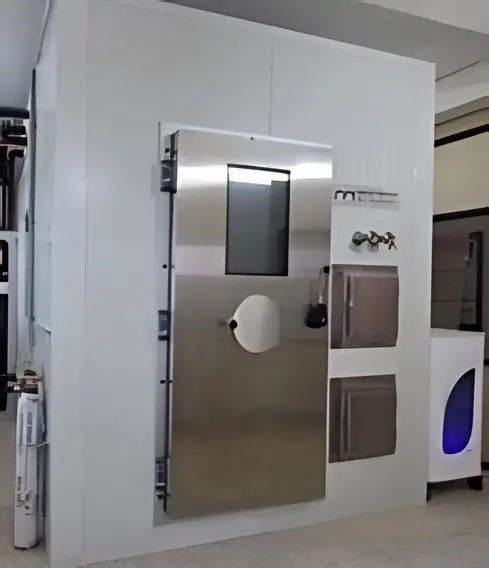
VELLORE: Christian Medical College (CMC), Vellore, has established India’s first Human Metabolic Chamber in collaboration with the Tata Institute of Fundamental Research’s (TIFR) ARUMDA programme. The facility aims to advance research into metabolism and its links with nutrition, diabetes, obesity and other health conditions. It was inaugurated on Monday by Punya Salila Srivastava, Secretary of the Union Ministry of Health and Family Welfare.
The airtight laboratory resembles a hotel room, equipped with a bed, desk and toilet. Volunteers will stay inside for 24 hours while researchers monitor their daily activities, including eating, sleeping, working and resting. Meals will be delivered through an airlock to maintain controlled conditions during experiments.
The chamber, also known as a whole-room indirect calorimeter, measures oxygen consumption and carbon dioxide output to calculate the energy used by the body during different activities. It will help scientists understand how the body switches between burning fat and carbohydrates during meals, exercise and sleep. Unlike conventional metabolic tests that generally last 20 to 30 minutes, the facility records changes throughout an entire day.
“This lets it detect small but important differences between individuals that shorter tests miss,” said Dr Nihal Thomas, senior professor in CMC’s Department of Endocrinology, Diabetes and Metabolism.
Researchers said the facility would generate India-specific evidence on metabolism, considering the country’s diverse populations, diets and lifestyles. Indian populations remain under-represented in global metabolic research, making the facility significant for understanding local health challenges.
The chamber will support studies on obesity, diabetes, ageing, malnutrition and cancer care. It will also contribute to long-term research, including CMC’s Vellore birth cohort study, which has followed children since 2010–12. A 2026 study found overweight and obesity nearly tripled among participants between seven and nine years of age.
The facility received funding from the Department of Atomic Energy and corporate social responsibility support from Hindustan Unilever Limited.