Drought pushes farmers to Hunasagi for paddy straw
YADGIR: Severe drought conditions in several parts of the region have triggered a sharp rise in demand for paddy straw in Hunasagi taluk, with farmers from neighbouring villages and parts of Vijayapura district flocking to paddy fields to procure fodder for their cattle.
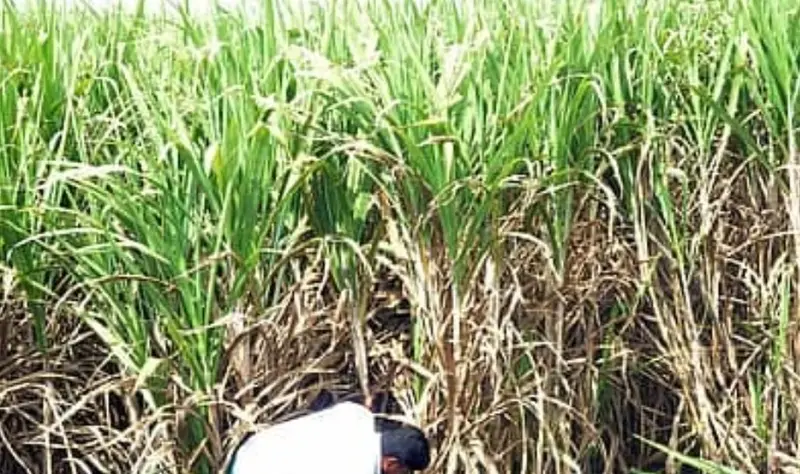
Paddy is cultivated on nearly 25,000 hectares in Hunasagi taluk. While inadequate rainfall has affected agricultural activities in several areas, paddy cultivation along the river basin has become an important source of fodder for livestock owners facing shortages.
With paddy varieties, including RNR, reaching the harvesting stage, harvesting operations have begun in several fields over the past two days. Farmers’ relatives and acquaintances are contacting growers over the phone to reserve straw for their cattle. Consequently, those arriving directly at the fields to purchase fodder are often unable to get it.
Farmers from Narayanapur, Jogundabavi, Bapparagi, Hagaratagi, Maralabavi and Gundalagera are visiting the fields. Buyers from Vijayapura district villages, including Salawadagi, Bandeppanahalli, Navadagi and Bagewadi, are also arriving in tractors, Tata Ace vehicles and Boleros.
Preparing a bundle costs around ₹40, while some farmers sell each bundle for ₹70 to ₹80. A straw-bundling machine can prepare around 250 to 300 bundles daily from approximately 10 acres. Basavaraj Bajani said farmers from Bagewadi had purchased nearly 800 bundles. In Mudanur, straw is being supplied at ₹1,000 to ₹2,000 per acre.
Farmers from Bantanur said drought had left their villages without crops, forcing them to purchase fodder to maintain their cattle.
Police caution against night transportation
Hunasagi Circle Police Inspector Ravikumar Naikodi has advised farmers against transporting straw at night. He warned that overloaded vehicles could obstruct traffic and cause accidents, urging drivers to transport fodder during daytime and follow road safety precautions.