Karnataka leads southern states in groundwater recharge through water bodies
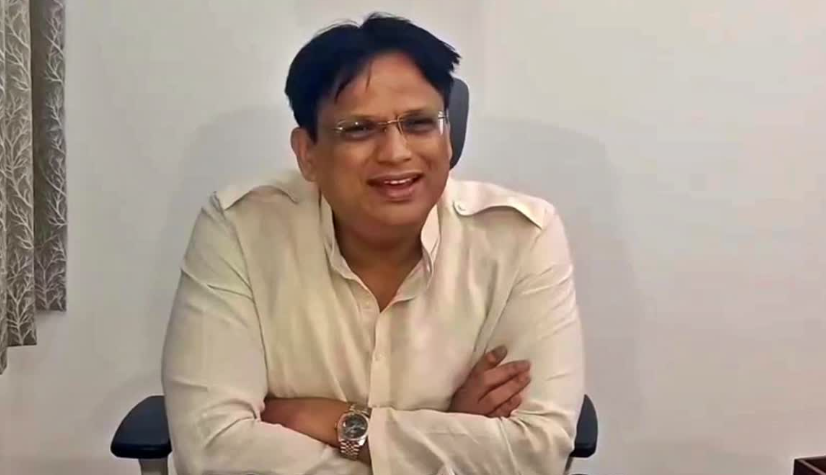
CH NEWS BENGALURU Around 30% of Karnataka’s water bodies currently in use are primarily utilised for groundwater recharge, highlighting the role of traditional water systems in strengthening the state’s long-term water security, Minor Irrigation and Science and Technology Minister Dr Ajay Dharam Singh said. According to the Second Census of Water Bodies conducted by the Union Ministry of Jal Shakti, Karnataka has 28,075 water bodies in use. Of these, 8,353, or 29.8%, are primarily used for groundwater recharge. Comparatively, Tamil Nadu accounts for 34.3%, Karnataka 29.8%, Telangana 27.5%, Andhra Pradesh 19.2% and Kerala 15.3%, the minister said. Ajay Dharam Singh said groundwater recharge was particularly important for Karnataka, which experiences fluctuations in rainfall and periodic drought conditions. “Lakes, tanks and ponds are not merely sources of water storage. They are systems that help secure groundwater for our future,” he said. Around 96% of Karnataka’s water bodies are located in rural areas, making their conservation directly relevant to agriculture, drinking water, livestock and rural water security. Of the 8,353 water bodies primarily used for groundwater recharge, 5,302 are classified as other water bodies, 1,548 are lakes and 1,267 are ponds. The figures underline the continuing importance of traditional water systems in groundwater conservation. The minister said the next phase of water management should integrate watershed conservation, desilting, lake rejuvenation and rainwater harvesting with groundwater management. “Enhancing the recharge capacity of water bodies, particularly in rural areas, will be our priority,” he said, adding that stronger recharge systems would help Karnataka build greater resilience against rainfall variability and drought.