Legislative panel targets KPSC exam irregularities
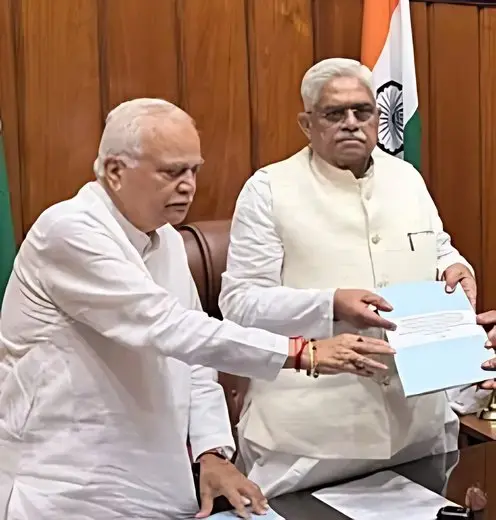
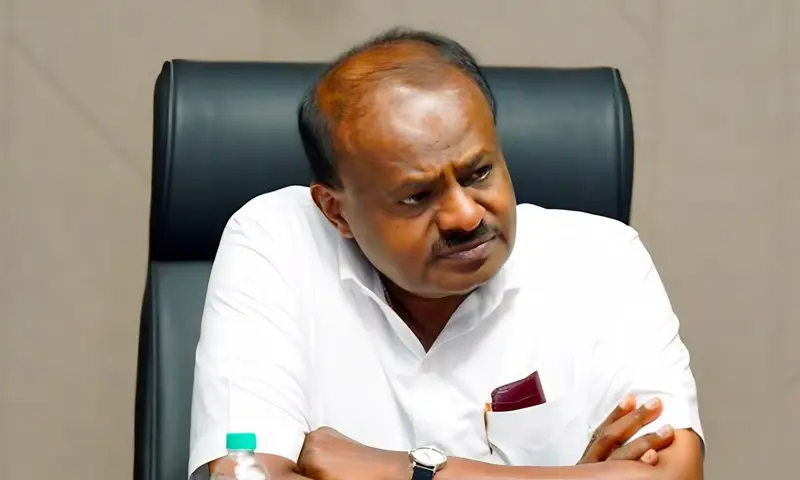
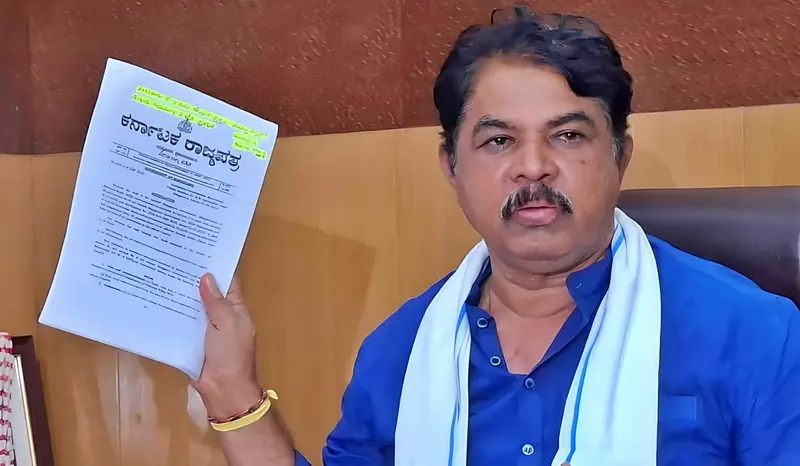
BENGALURU: A legislative House committee led by senior MLA R.V. Deshpande has submitted a comprehensive reform report aimed at restoring public trust and ending political interference in the Karnataka Public Service Commission. Formed in May following repeated controversies over exam delays and irregularities, the panel handed its findings to Assembly Speaker G.S. Patil.
To insulate appointments from political pressure, the committee proposed forming a three-member selection panel consisting of the Chief Minister, the Chief Justice of the Karnataka High Court, and the Leader of the Opposition. It recommended appointing serving or retired Chief Secretaries, Union Secretaries, retired High Court judges, university Vice-Chancellors, armed forces chiefs, and Padma awardees as Commission members.
The report advises shifting all Group C recruitment and optical mark recognition tests to the Karnataka Examinations Authority, allowing KPSC to concentrate strictly on Group A and Group B posts. It also called for a single unified exam for engineering roles across departments like Public Works, Rural Development, and Urban Administration, letting applicants rank their department preferences upfront.
For exam integrity, the panel proposed a computerized question bank categorized by difficulty levels, strict personal liability for exam controllers over paper leaks, and four regional sub-centers to speed up grading. Answer scripts must be scanned and uploaded alongside answer keys on the very day of the test, while evaluation should be limited to professors with at least 20 years of teaching experience. Interview panels would include just one KPSC member alongside three outside subject experts.
Following the Union Public Service Commission model, KPSC would publish an annual exam calendar, introduce one-time candidate registration, use live photos and biometric checks, and build a dedicated data center. Finally, the panel urged creating an internal legal wing, banning contractual staff, and fixing minimum three-year terms for top exam officials before the state government takes its final call.