Plantation elephants need camps: Khandre

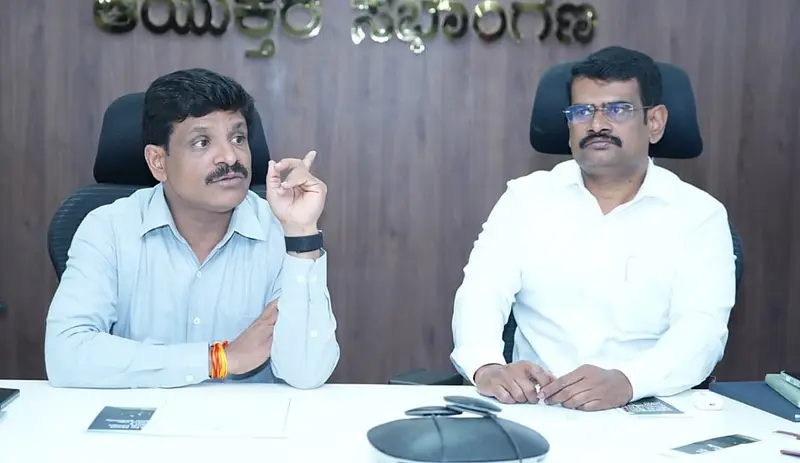
BENGALURU: Karnataka Minister Eshwar B. Khandre stated that establishing dedicated ‘Elephant Camps’ or soft-release centers could serve as a viable long-term solution to the escalating human-elephant conflict affecting villages along the state’s forest fringes. Addressing media representatives at Vikasa Soudha in Bengaluru, the Minister highlighted the urgent need to protect rural communities, coffee planters, and agricultural workers from recurring elephant intrusions across Malenadu and adjoining forest belts.
Recalling his earlier efforts to tackle the crisis, Khandre explained that he had originally conceived the proposal for a specialized elephant camp during his previous tenure as Forest Minister. However, the initiative hit a regulatory roadblock when the Central Government rejected the plan, citing statutory norms that prohibit setting up such facilities within the boundaries of a notified Tiger Reserve. Despite that earlier setback, he maintained that revisiting the concept outside restricted reserve zones remains crucial for sustainable wildlife management.
Analyzing why conflict incidents continue to intensify despite fencing and task forces, Khandre observed that the problem is significantly aggravated by a generation of wild elephants born and raised inside commercial coffee plantations rather than deep forests. Because these animals are accustomed to human settlements and plantation crops from birth, traditional scare tactics often fail to deter them. Relocating such plantation-habituated herds to structured elephant camps, he suggested, would safely remove them from human habitations while ensuring proper care and containment.
Responding to reporters’ queries regarding the political controversy sparked by Mudigere MLA Nayana Motamma’s resignation threat over elephant relocation disputes, Khandre struck a reassuring note. He stated that the Chief Minister is expected to return to the state capital shortly and has already indicated plans to convene a dedicated high-level meeting with legislators, forest officials, and stakeholders to hammer out a comprehensive, lasting resolution to the crisis.