Quick commerce accelerates toward a $90B future
India's quick commerce sector is projected to skyrocket to ninety billion dollars by fiscal year 2031.
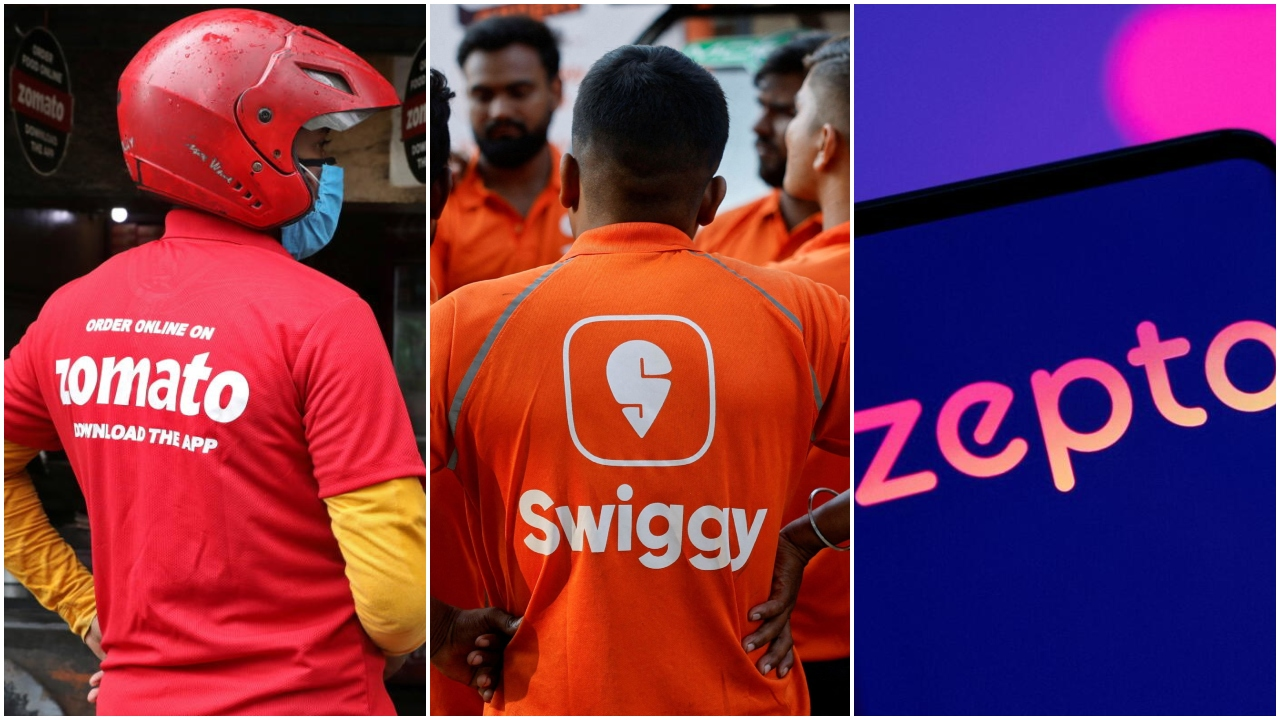
NEW DELHI India's rapid retail sector is poised for exponential financial expansion over the next several years, transforming how urban and semi-urban populations purchase everyday household goods. According to a comprehensive new market study, the nation's burgeoning quick commerce industry is projected to skyrocket from an estimated 13 billion US dollars in fiscal year 2026 to a staggering 90 billion US dollars by fiscal year 2031. Market analysts attribute this aggressive growth trajectory to shifting consumer habits, rapid technological adoption, and an expanding base of active digital shoppers. Projections indicate that the total number of monthly transacting users across the country will surpass the milestone of 100 million within the decade. Furthermore, industry data reveals immediate short-term acceleration, with quick commerce sales anticipated to surge by 110 percent year-on-year during the current festive shopping season alone, capturing roughly 18 percent of all online festive retail expenditures. Metro cities are expected to remain the primary growth engine, generating approximately 60 percent of all incremental market expansion through fiscal year 2031. In major metropolitan areas, quick commerce's share of total retail spending is forecasted to climb sharply from nearly 6 percent today to between 23 and 23 percent. Concurrently, the user population in these urban hubs is set to nearly double, scaling from 28 million to nearly 50 million active shoppers. Because no single retail category has yet crossed 15 percent overall market penetration, substantial room for widespread commercial scaling remains wide open. As the sector transitions from a convenient novelty into an established component of daily household routines, platforms and consumer brands are actively expanding their product inventories beyond basic convenience items. Industry experts emphasize that capturing future market share will require penetrating deeper into traditional grocery segments, moving beyond small top-up orders toward comprehensive monthly household pantry replenishment. Companies are being urged to optimize supply chain transparency, stock recency, bulk packaging options, and value-oriented pricing structures. Industry leaders note that the market has evolved far beyond a single uniform business model, with consumer purchase behaviors varying significantly between major metropolitan centers and emerging non-metro regions. While early adoption was driven primarily by quick grocery and snack deliveries, modern platforms now routinely handle high-ticket electronics, apparel, and personal care items. Experts advise brands to leverage targeted digital marketing, automated re-order nudges, and data-driven engagement strategies to build consumer trust and foster long-term brand loyalty as the industry marches toward its ambitious decade-end targets.