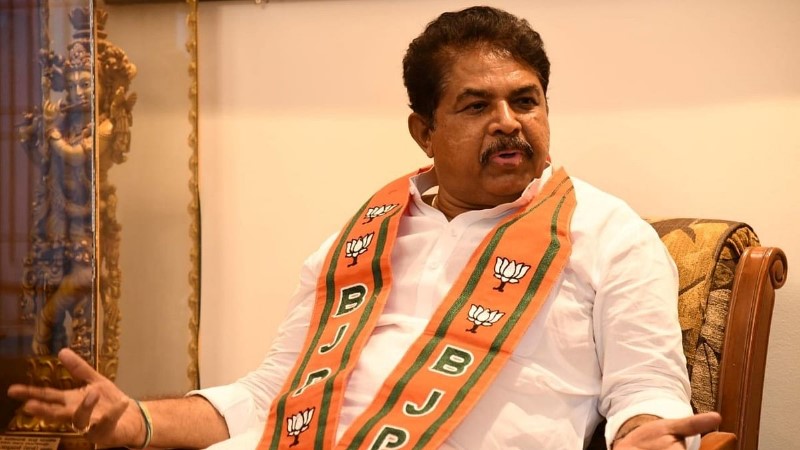
CH NEWS, BENGALURU The political crossfire over Karnataka’s intensifying agrarian crisis reached a new pitch as Leader of the Opposition R. Ashoka launched a scathing attack on the state government, demanding an immediate and comprehensive waiver of all agricultural loans. The opposition leader’s sharp reaction came in the wake of an announcement made by Deputy Chief Minister Dr. G. Parameshwara regarding a drought relief input subsidy of ₹2,500 earmarked for approximately 46 to 50 lakh farmers across the state. The financial package, designed to mitigate crop losses resulting from severe dry-spell conditions affecting more than 40,000 hectares of agricultural land, involves an estimated state expenditure of ₹1,250 crore. Taking to social media platform X (formerly Twitter), Ashoka vehemently condemned the relief quantum, arguing that offering a meager ₹2,500 while washing the administration's hands of broader agrarian distress represents a profound injustice to the farming community. He highlighted the stark economic reality on the ground, pointing out that daily wage rates for rural agricultural laborers have already surpassed ₹1,000. Under such inflationary pressures, a one-time relief installment of ₹2,500 barely covers a few days of basic survival costs, let alone compensating for total crop failures, dried borewells, and massive input debt accumulated over consecutive seasonal failures. Directing sharp political barbs at the administration, Ashoka demanded that the government move past token compensation and implement an unconditional farm loan waiver. The mounting political friction underscores the gravity of Karnataka's current environmental and fiscal landscape. With over 200 taluks experiencing acute drought conditions, farming households are grappling with severe drinking water shortages, fodder scarcity, and insurmountable institutional debts. While the state government has defended its fiscal allocations and indicated plans to dispatch an all-party delegation to New Delhi to press Prime Minister Narendra Modi for a formal declaration of the drought as a "national disaster," opposition leaders continue to press for immediate internal fiscal restructuring. Critics argue that instead of prioritizing populist measures or engaging in rhetorical blame games, the executive must direct comprehensive resources toward debt relief, guaranteed irrigation power supply, and sustainable employment generation under rural welfare frameworks to rescue the state's beleaguered agricultural sector from collapse.
R. Ashoka slams government over ₹2,500 drought relief