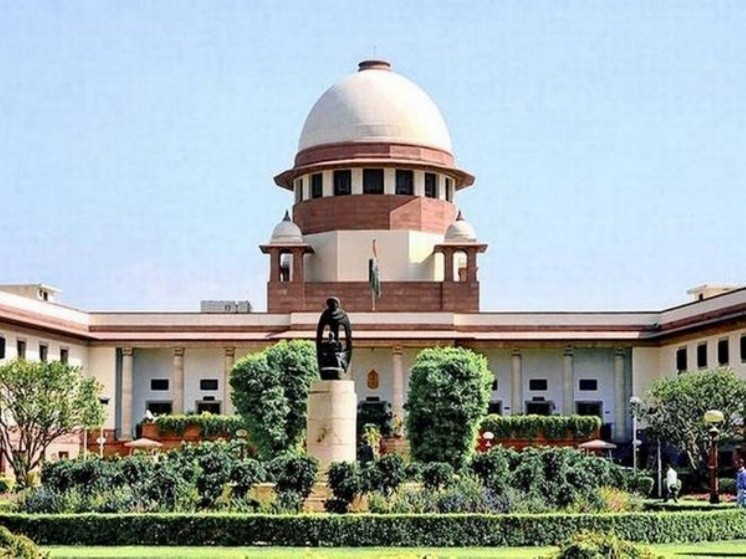
The Supreme Court has suggested linking unpaid traffic challans to electricity bills as one possible measure to improve recovery of outstanding traffic fines. The suggestion was made during a hearing on Monday as the court examined ways to ensure that e-challans issued for traffic violations are actually paid. Justice JB Pardiwala observed that merely issuing e-challans was not sufficient and that authorities needed to adopt practical mechanisms to recover pending dues. The court was informed that States and Union Territories have around ₹45,000 crore in pending e-challan dues, of which approximately ₹25,000 crore has been recovered so far. The proposal to add unpaid challans to electricity bills was discussed as an additional recovery mechanism. However, the court has not directed authorities to immediately implement the measure. The suggestion will have to be considered by the concerned authorities. The court also discussed several other possible measures to ensure compliance. These included restricting renewal of vehicle registration certificates, preventing changes in vehicle ownership and withholding fitness certificates until pending challans are cleared. It further suggested that vehicles with unpaid fines could be blacklisted on the Parivahan portal and that ownership transfers could be blocked. Authorities could also consider preventing renewal of driving licences and taking steps against licences that are already in force. The court also discussed withholding pollution-under-control certificates from vehicles with outstanding challans. Random checks of vehicles were suggested as another enforcement mechanism. If a vehicle is found to have unpaid e-challans, authorities could consider appropriate action, including possible impounding. The observations came during proceedings related to a road safety public interest litigation. The court stressed that the focus should shift from simply issuing large numbers of e-challans to ensuring effective recovery of pending fines and improving compliance with traffic rules.
SC suggests adding unpaid traffic challans to electricity bills
The Supreme Court suggested linking unpaid traffic challans to electricity bills, while discussing measures to recover ₹45,000 crore in pending dues.